ARCHIVE: 16 MARCH /// ARCHIVE: 16 MARCH /// ARCHIVE: 16 MARCH /// ARCHIVE: 16 MARCH /// ARCHIVE: 16 MARCH /// ARCHIVE: 16 MARCH ///
ARCHIVE: MARAŞ '78 /// ARCHIVE: MARAŞ '78 /// ARCHIVE: MARAŞ '78 /// ARCHIVE: MARAŞ '78 /// ARCHIVE: MARAŞ '78 /// ARCHIVE: MARAŞ '78 /// ARCHIVE: MARAŞ '78 /// ARCHIVE: MARAŞ '78 ///
ARCHIVE: MARAŞ '78 /// ARCHIVE: MARAŞ '78 /// ARCHIVE: MARAŞ '78 /// ARCHIVE: MARAŞ '78 /// ARCHIVE: MARAŞ '78 /// ARCHIVE: MARAŞ '78 ///

01.05.1977

The Planned Ambush: Hotel Snipers and the Kazancı Trap

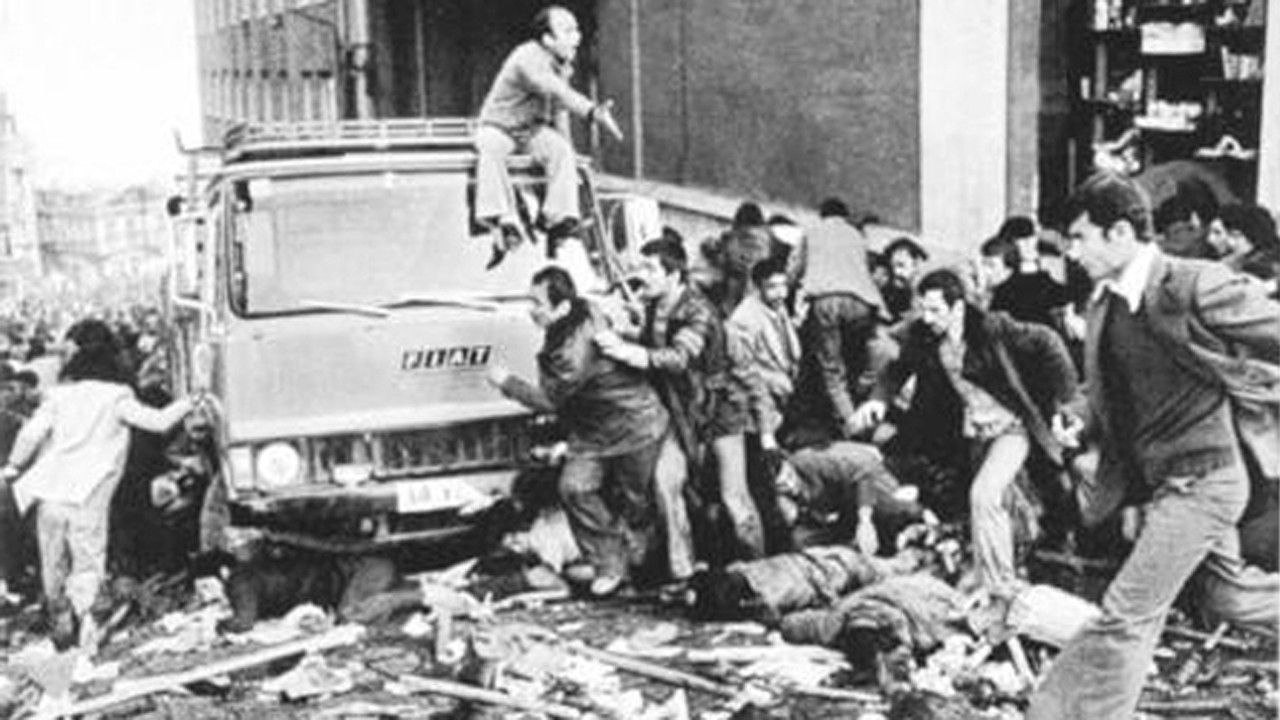
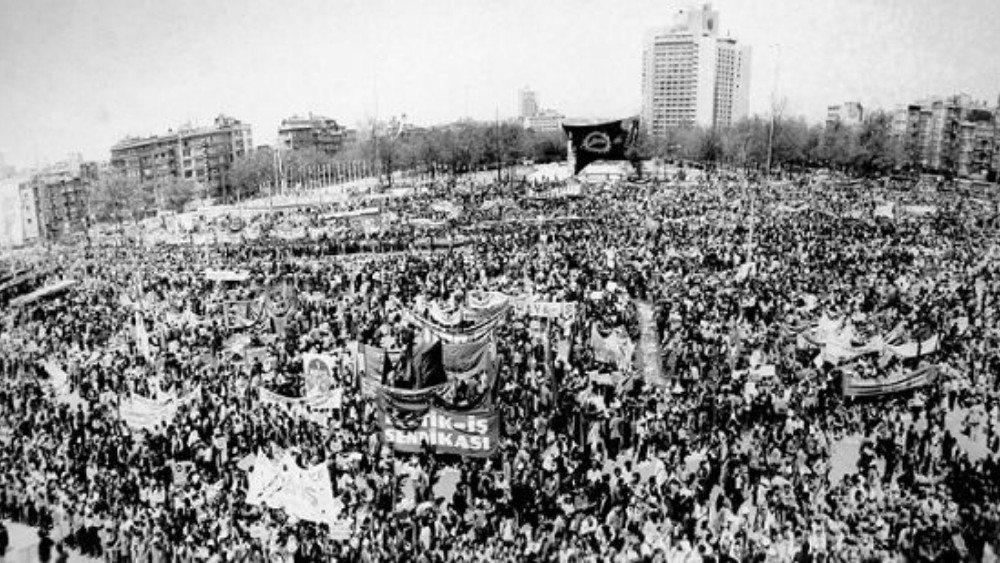
On May 1, 1977, nearly 500,000 people gathered in Istanbul’s Taksim Square. As the event was ending, snipers opened fire on the crowd from the roofs of the Water Administration building and the Intercontinental Hotel. Simultaneously, police armored vehicles (panzers) used sirens and explosives to drive the panicked crowd toward a narrow side street called Kazancı Slope. A truck had been pre-parked there to block the exit. Most of the 36 victims died not from bullets, but from being crushed or suffocated in this deliberate bottleneck.
SCROLL TO CONTINUE >>>
Sniper Evidence
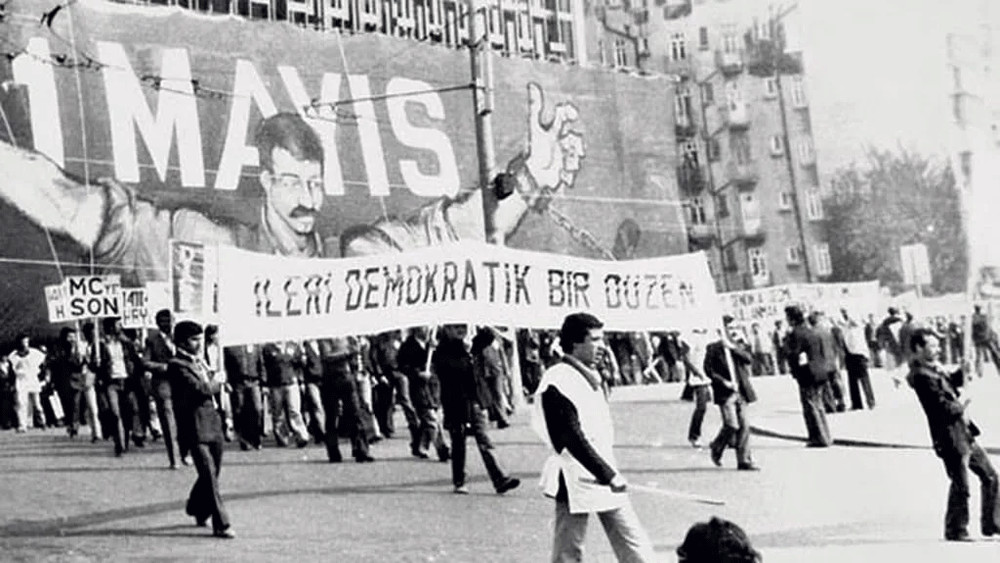
Famous May 1st Poster
Panzer Evidence
Taksim Square
Crush Evidence
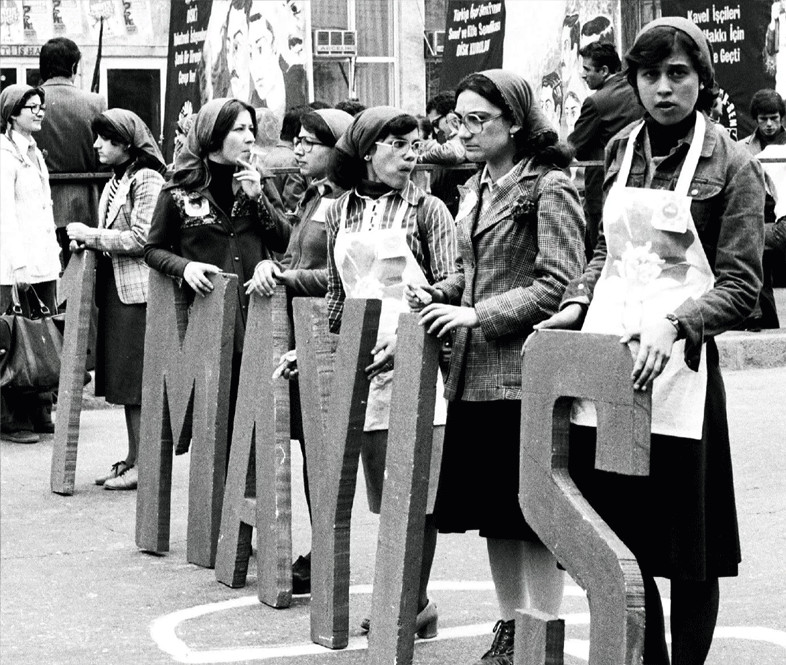
Women in Red Kerchiefs (Kırmızı çatkılı kadınlar)

Deep State Involvement and Political Cover-up

The attack is widely recognized as a "Counter-guerrilla" (deep state) operation. The firing began specifically during the speech of Kemal Türkler, the leader of the labor union DİSK, indicating the leadership was a direct target. Despite clear evidence of snipers, no one was arrested. Suspicious foreign nationals left the country that night without being questioned. Prime Minister Süleyman Demirel’s refusal to investigate right-wing or state-linked groups ensured that the perpetrators remained protected and the case went unsolved.
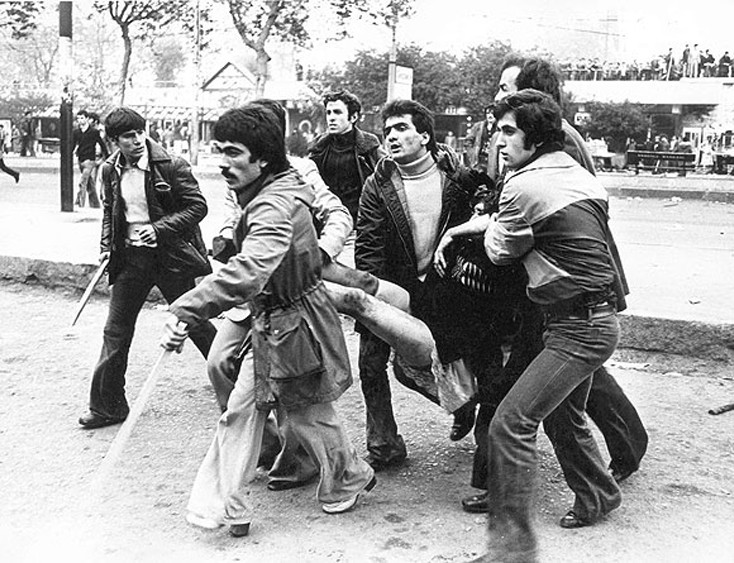
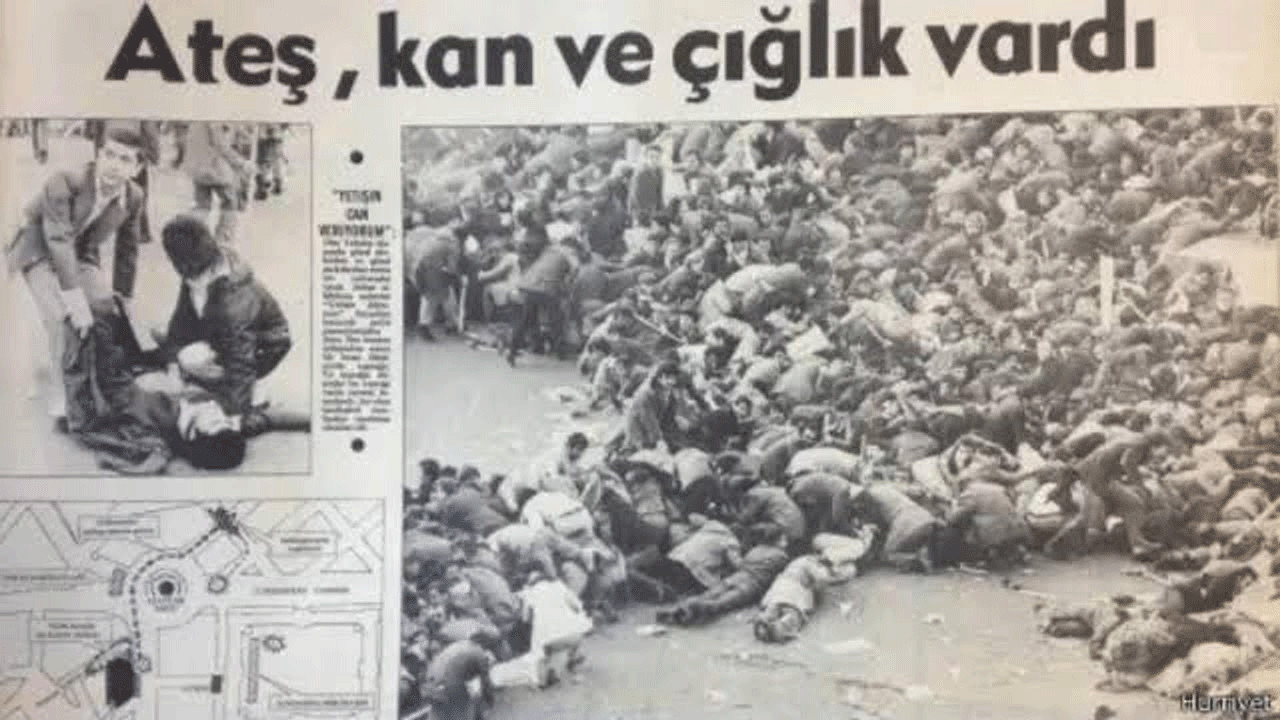
Chaos Evidence
People carrying bodies to safe zone
Evidence
Shooting towards crowd
Result Evidence
Truck that blocked the exit

Prelude to the 1980 Coup and Taksim’s Symbolism

This massacre was a turning point used to create the social chaos necessary to justify the 1980 military coup. It aimed to break the momentum of the rising leftist movement in Turkey. Because of this tragedy, Taksim Square shifted from a mere public space to a sacred symbol of labor struggle and memory. The government's continued bans on the square for May Day celebrations today are a direct result of this historical trauma, making Taksim the primary center for political resistance in the country.

[ ABOUT THE MUSIC ]

RUHİ SU (1912-1985)

TRACK: 1 MAYIS MARŞI

The anthem "Ellerinde Pankartlar" was composed by Ruhi Su in 1976 and became a defining symbol of the Turkish labor movement. On May 1, 1977, a crowd of 500,000 people was singing this anthem in Taksim Square moments before the massacre began. Ruhi Su’s operatic voice serves as a historical record of this resistance. During the military regime of Kenan Evren, Ruhi Su was diagnosed with prostate cance r and required treatment abroad. However, the government systematically refused to renew his expired passport without legal grounds, effectively blocking his access to medical care. Ruhi Su died on September 20, 1985. In a demonstration of bureaucratic hypocrisy, his passport application was approved only after his death.

<-Melih G. Kutsal